


Market formation—not individual transactions—must become the measure of success in mobilising institutional capital at scale.
JOHANNESBURG | 19 October 2026 — The prevailing project-by-project capital-mobilisation model cannot, on its own, deliver the investment required for global competitiveness and economic resilience. Achieving that scale requires long-term institutional balance sheets.
Across UNGA81, Building Bridges 2026, PRI in Person and the IMF–World Bank Annual Meetings, a fundamental proposition came into sharper focus: asset owners should partner with sovereigns to map sovereign assets and investment opportunities, co-design markets and originate qualifying Sovereign Infrastructure portfolios capable of attracting sustained institutional allocation.
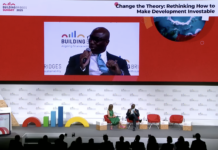
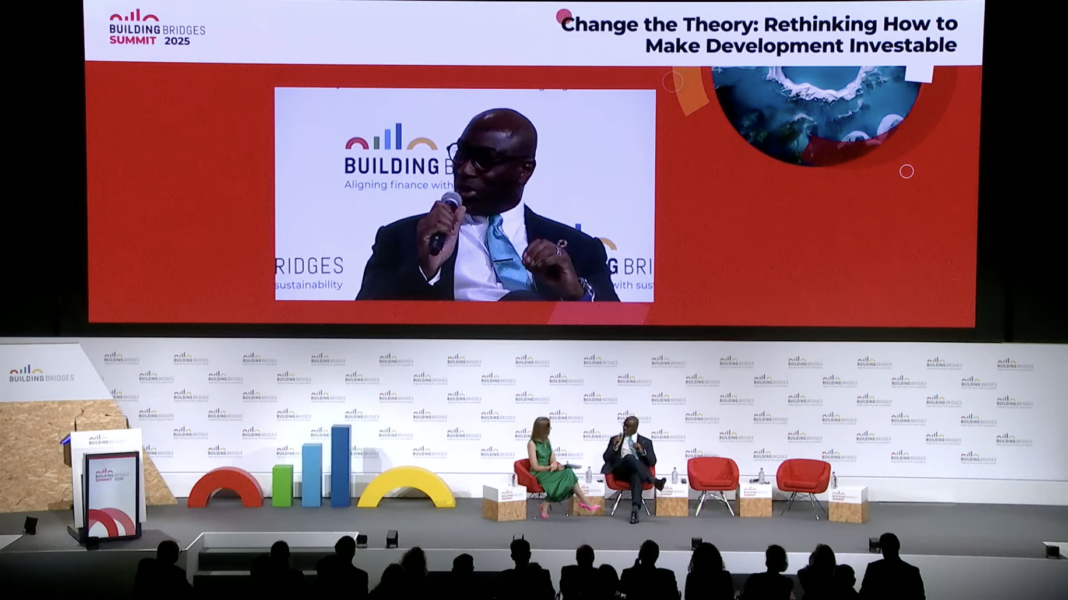
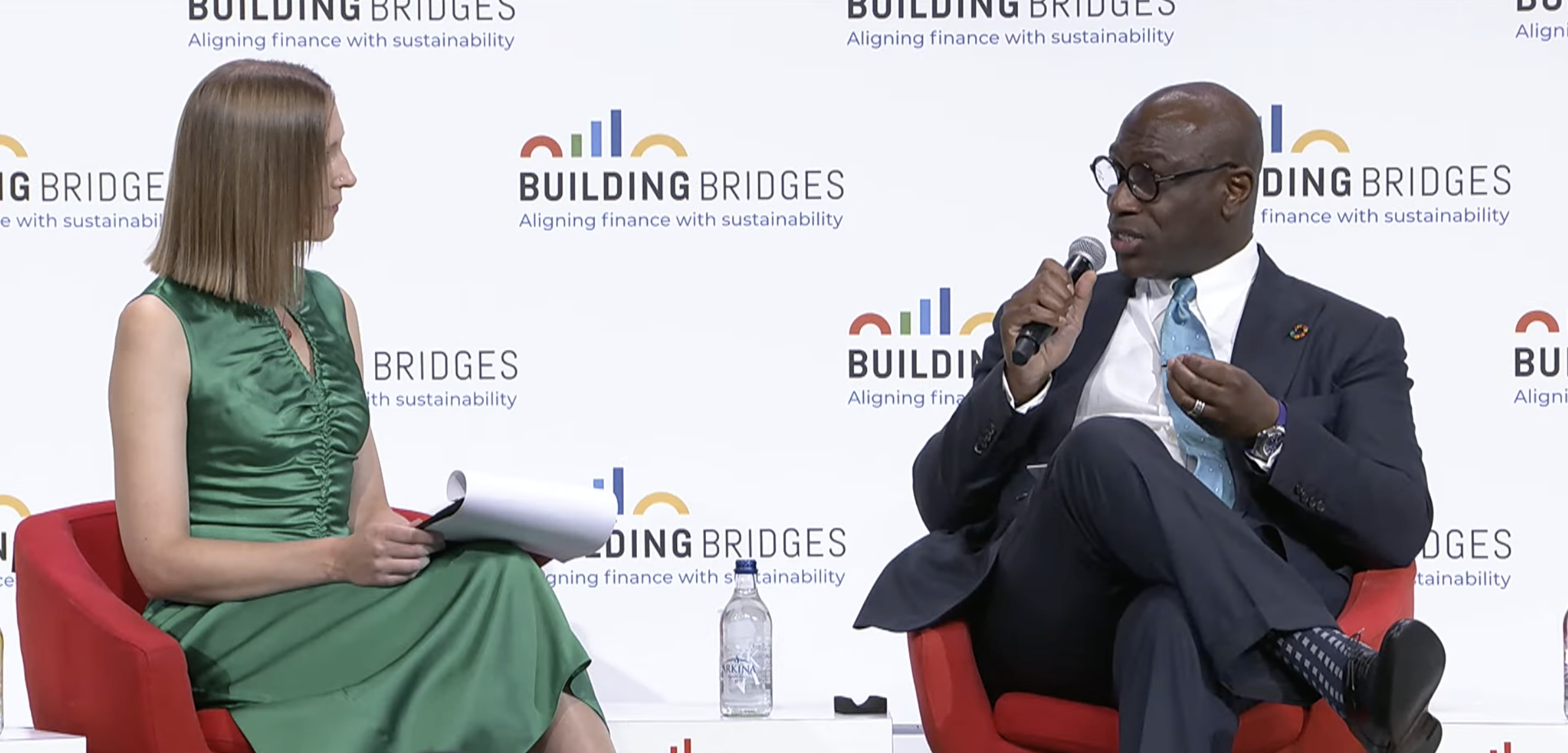
“Market formation should become the unit of measure, not the transaction. Projects secure financing. Markets sustain participation. The objective of private-capital mobilisation is not to make investment developmental. It is to make development investable.” said Dr Hubert Danso, Chairman and Chief Executive Officer of Africa investor Group
Institutional Investor–Public Partnerships (IIPPs) provide the architecture for that collaboration—aligning sovereign investment priorities with asset-owner mandates, governance and portfolio requirements while respecting sovereign authority and independent fiduciary decision-making.
The Sovereign Infrastructure asset-class architecture provides a pathway from sovereign productive systems to qualifying institutional exposure. Fiduciary efficiency depends on credible risk intelligence: broader, appropriately governed access to granular GEMs credit-performance data would strengthen risk differentiation and pricing—helping investors distinguish underlying investment risk from information-driven risk premiums.
The scale required exceeds public and development-finance balance sheets. It does not exceed the collective capacity of global institutional balance sheets.
At Building Bridges 2026, Dr Danso proposed that asset owners consider voluntarily signalling annual allocation capacity equivalent to 150 basis points—or 1.5 per cent—of fiduciary assets towards qualifying Sovereign Infrastructure exposure over a 20-year horizon, subject to independent fiduciary mandates, qualifying co-originated investment opportunities and competitive risk-adjusted returns.
On an illustrative, constant US$300 trillion asset base, this represents US$4.5 trillion in potential annual allocation capacity—or US$90 trillion in aggregate annual capacity signals across 20 cycles. These are capacity illustrations—not commitments, realised allocations or forecasts of additional investment.
Investment leaders are calling for the UK’s 2027 G20 Presidency to establish an Institutional Investor 20 (II20)—a formal, transparent and mandate-respecting G20 interface through which asset owners can contribute upstream to shaping investable markets at global scale.
The G20 brought systemically important economies into global economic and financial coordination. The II20 would bring systemically consequential institutional capital into the architecture of global investment cooperation.
Its inaugural mandate should be to advance sovereign–asset-owner cooperation through IIPPs—bringing institutional expertise on governance, risk intelligence, benchmarks and market structure into global investment cooperation, consistent with sovereign priorities and independent fiduciary mandates.
“Asset owners bring more than capital. They bring the institutional discipline, portfolio architecture and long-term horizons that help markets achieve scale and resilience—and economies build lasting competitiveness.” said Dr Danso.
The UK’s 2027 G20 Presidency and COP32 in Ethiopia offer a defining opportunity to institutionalise sovereign–asset-owner cooperation and scale the investable markets through which global resilience can be financed across the 2030–2050 investment horizon.
ENDS


